
11 Jul Retinitis Pigmentosa – Causes, Symptoms, and Inherited Eye Disease Explained
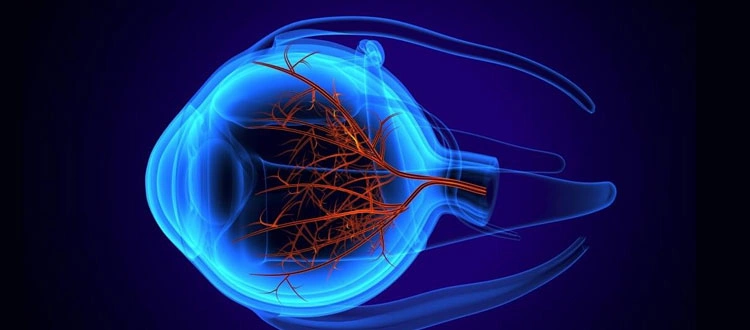
Retinitis Pigmentosa (RP) is a rare group of inherited retinal disorders that gradually damage the retina, the light-sensitive layer at the back of the eye. The condition primarily affects the photoreceptor cells known as rods and cones, which are responsible for vision in low light, peripheral vision, color perception, and detailed central vision. As these cells slowly deteriorate, individuals experience progressive vision loss that can affect daily activities and overall quality of life.
Although Retinitis Pigmentosa has no universal cure, advances in diagnostic technology, genetic testing, and emerging therapies are providing new hope for patients. Early diagnosis, regular monitoring, and supportive treatment can help individuals adapt to vision changes and preserve functional vision for as long as possible.
What is Retinitis Pigmentosa?
Retinitis Pigmentosa refers to a group of genetic eye diseases that cause the gradual degeneration of retinal photoreceptor cells. Rod cells are typically affected first, resulting in difficulty seeing in dim light or at night. Over time, cone cells may also become damaged, leading to loss of central vision, color vision, and visual sharpness.
The progression of RP varies from person to person. Some individuals experience slow vision loss over several decades, while others may develop more significant visual impairment at a younger age depending on the specific genetic mutation involved.
Causes of Retinitis Pigmentosa
Retinitis Pigmentosa is primarily caused by inherited genetic mutations. Researchers have identified more than 80 genes associated with RP, each playing an important role in maintaining healthy retinal cells.
The disease may be inherited through different genetic patterns, including:
- Autosomal dominant inheritance
- Autosomal recessive inheritance
- X-linked inheritance
- Sporadic genetic mutations with no family history
Because RP is genetic, family members may benefit from genetic counseling and testing to better understand the risk of inheritance.
Symptoms of Retinitis Pigmentosa
Symptoms usually develop gradually and become more noticeable over time. Common signs include:
- Night blindness (difficulty seeing in dim light)
- Loss of peripheral or side vision
- Tunnel vision
- Difficulty adjusting between bright and dark environments
- Reduced contrast sensitivity
- Blurred central vision in advanced stages
- Difficulty recognizing faces or reading small print
- Sensitivity to bright light (photophobia)
The rate of progression differs for every patient, making regular eye examinations essential.
Retinitis Pigmentosa treatment in India
Diagnosis of Retinitis Pigmentosa
An ophthalmologist or retina specialist may recommend several tests to confirm the diagnosis, including:
- Comprehensive eye examination
- Dilated retinal examination
- Optical Coherence Tomography (OCT)
- Fundus photography
- Visual field (perimetry) testing
- Electroretinography (ERG)
- Genetic testing
These evaluations help determine the extent of retinal damage and identify the underlying genetic cause.
Treatment Options
Currently, there is no complete cure for Retinitis Pigmentosa. However, several treatment strategies can help slow progression, maximize remaining vision, and improve quality of life.
Treatment options may include:
- Regular monitoring by a retina specialist
- Low vision aids and assistive devices
- Prescription glasses or magnifiers
- UV-protective sunglasses
- Vision rehabilitation programs
- Genetic counseling
- Nutritional guidance under medical supervision
- Participation in clinical trials
- Emerging treatments such as gene therapy, retinal implants, and stem cell-based regenerative therapies for selected patients
Research into innovative therapies continues to expand, offering hope for improved outcomes in the future.
Living with Retinitis Pigmentosa
While RP is a lifelong condition, many individuals continue to lead active and independent lives with proper support. Vision rehabilitation, mobility training, adaptive technologies, and emotional support can significantly improve day-to-day functioning.
Maintaining regular follow-up appointments, protecting the eyes from excessive sunlight, and staying informed about new treatment developments are important aspects of long-term care.
Conclusion
Retinitis Pigmentosa treatment in India is a progressive inherited retinal disease that gradually affects night vision, peripheral vision, and eventually central vision. Although there is currently no definitive cure, early diagnosis, personalized management, and advances in genetic research are improving the outlook for many patients. If you notice symptoms such as night blindness or narrowing side vision, consult an eye specialist promptly for a comprehensive evaluation and appropriate care.
Frequently Asked Questions (FAQs)
- What is Retinitis Pigmentosa?
Retinitis Pigmentosa is a group of inherited retinal disorders that gradually damage the retina and cause progressive vision loss. - What are the early symptoms of Retinitis Pigmentosa?
The earliest symptom is usually night blindness, followed by gradual loss of peripheral vision and difficulty seeing in low-light conditions. - Is Retinitis Pigmentosa hereditary?
Yes. Most cases are caused by inherited genetic mutations, although some people develop the condition without a known family history. - How is Retinitis Pigmentosa diagnosed?
Diagnosis involves a comprehensive eye examination, OCT scan, retinal imaging, visual field testing, ERG, and genetic testing. - Can Retinitis Pigmentosa be cured?
There is currently no universal cure, but treatments, low vision rehabilitation, and emerging therapies can help manage the condition. - Does everyone with Retinitis Pigmentosa become blind?
No. The progression varies greatly. Many individuals retain useful central vision for many years. - Are there new treatments for Retinitis Pigmentosa?
Yes. Gene therapy, stem cell research, retinal implants, and other regenerative treatments are being studied and are showing promising results for certain patients. - When should I see an eye specialist?
You should seek medical evaluation if you experience persistent night blindness, narrowing side vision, or a family history of inherited retinal diseases.

Sorry, the comment form is closed at this time.