
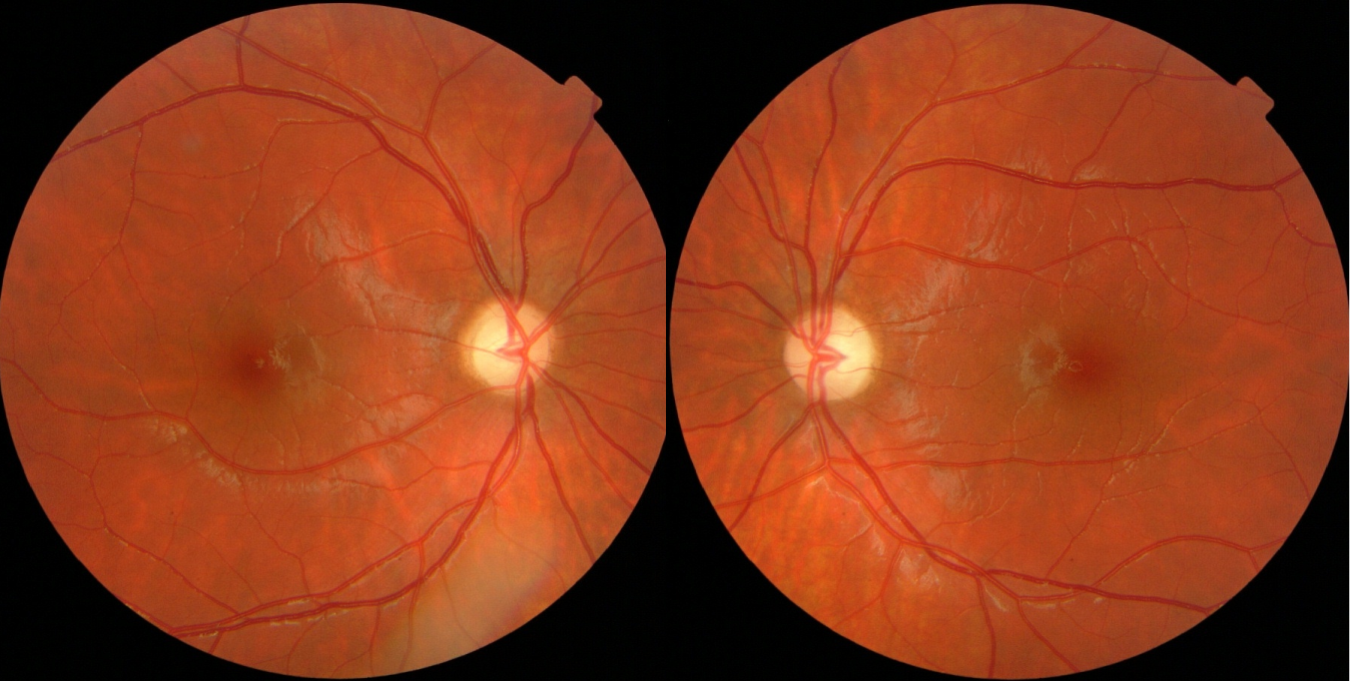
27 Oct Retinitis Pigmentosa Genetic Testing and Inheritance: What Families Should Know
Last updated: 27 October 2026 | Author: Prashant Tyagi (Stem Cell Biotechnology Specialist, 10+ years) and Dr. Pallavee Senior Consultant | Ophthalmologist & Eye Surgeon 22+ Years Experience
Retinitis pigmentosa (RP) is inherited, which means the first questions after a diagnosis are often about family: Why did this happen? Could my children or siblings be affected? Is there anything that can be done? Genetic testing can answer many of these questions, and in some cases it can point to treatment options or clinical trials. This guide explains the inheritance patterns, how testing works, and how to prepare for the results.
Why RP Is Genetic
More than eighty genes are linked to RP. Most of them control the health of rod and cone photoreceptors or the retinal cells that support them. A change (variant) in one of these genes slowly disrupts the retina, leading to night blindness, tunnel vision and, in some people, reduced central vision.
Inheritance Patterns
| Pattern | Approximate share of RP | How it is passed on | What families notice |
|---|---|---|---|
| Autosomal recessive | About 50 to 60 percent | Both parents carry one changed copy; each child has a 25 percent chance of being affected | Parents usually have normal vision; siblings may be affected. More common when parents are related |
| Autosomal dominant | About 30 to 40 percent | One changed copy is enough; a 50 percent chance for each child | Several generations are affected |
| X-linked | About 5 to 15 percent | Gene on the X chromosome; males are usually more severely affected | Affected boys; carrier mothers may have mild changes |
| Isolated / no family history | Many individual cases | New variant or a recessive gene with no known relatives affected | Only one person in the family has RP |
Having no family history does not rule out a genetic cause. Many recessive cases appear “out of nowhere” because carrier parents have no symptoms.
Syndromic Forms of RP
Some people have RP together with other features. Usher syndrome combines RP with hearing loss, and Bardet-Biedl syndrome involves extra fingers or toes, kidney problems and obesity. If hearing, kidney or developmental concerns exist, tell your doctor, since they change the testing approach.
Who Should Consider Genetic Testing?
- Anyone with a clinical diagnosis of RP, ideally at the time of diagnosis
- Parents of children with suspected inherited retinal disease
- Adults with RP who plan to start a family
- Patients interested in gene therapy or clinical trials
How Genetic Testing Works
| Step | What happens |
|---|---|
| 1. Counselling | A genetic counsellor or retina specialist explains benefits, limits and possible results |
| 2. Sample | Blood or saliva sample |
| 3. Test type | Retinal gene panel, or exome/genome sequencing in some cases |
| 4. Report | Takes a few weeks; variants are classified as pathogenic, likely pathogenic, uncertain or benign |
| 5. Result review | Follow-up counselling to interpret results and plan next steps |
Understanding the Results
- A clear disease-causing variant: confirms the diagnosis, shows the inheritance pattern, and may identify clinical trials.
- Variant of uncertain significance: the meaning is not yet known; results can be reclassified later as research grows.
- No variant found: does not rule out genetic RP. Current tests do not detect every cause, so repeat testing later may help.
Family Planning and Relatives
Once the gene is known, relatives can be offered targeted “cascade” testing. Couples may discuss options such as carrier testing, prenatal testing or preimplantation genetic testing with a genetic counsellor. These are personal decisions, and good counselling supports them without pressure.
How Testing Connects to Treatment
- Gene therapy is currently approved only for a small group with changes in both copies of the RPE65 gene, so a genetic result can show whether you are eligible.
- Many clinical trials recruit by gene, for example RPGR, USH2A or RHO.
- Knowing the gene helps doctors counsel about the likely course and avoid unhelpful supplements.
For wider treatment context, read our guide on retinitis pigmentosa disease treatment in India.
Frequently Asked Questions
Can RP skip a generation?
In recessive inheritance, carriers show no symptoms, so it can seem to skip generations.
Will my children definitely get RP?
Not necessarily. The risk depends on the inheritance pattern and your partner’s carrier status; a counsellor can give a specific estimate.
Does genetic testing hurt or harm my eyes?
No. It needs only a blood or saliva sample.
How much does testing cost?
Costs vary by laboratory and test type. Ask your centre for a quote before choosing.
If no gene is found, is my diagnosis wrong?
No. The diagnosis is clinical; the test simply may not find the cause with current technology.
Should my siblings be tested?
If a gene is found in you, targeted testing for relatives is usually straightforward and may help them.
Official References
- National Eye Institute: Retinitis Pigmentosa
- Foundation Fighting Blindness
- American Academy of Ophthalmology
- MedlinePlus Genetics
- ClinicalTrials.gov

Sorry, the comment form is closed at this time.