
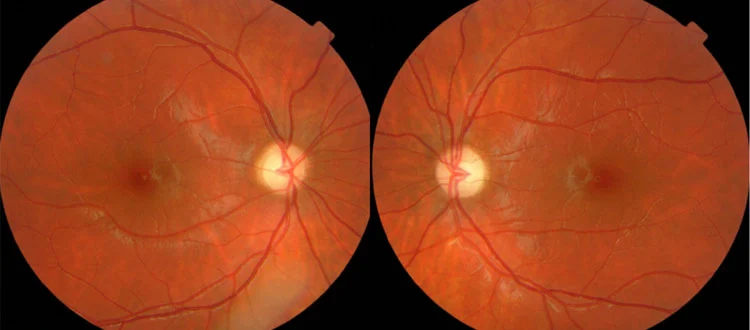
10 Nov Retinitis Pigmentosa — Retinitis Pigmentosa and Cataract: Why Surgery Needs Special Planning
Last updated: 10 November 2026 | Author: Prashant Tyagi (Stem Cell Biotechnology Specialist, 10+ years) and Dr. Pallavee Senior Consultant | Ophthalmologist & Eye Surgeon 22+ Years Experience
Retinitis Pigmentosa (RP) is an inherited retinal condition that gradually affects the light-sensitive cells of the retina. Some people with RP also develop cataracts, particularly a type known as posterior subcapsular cataract. When both conditions are present, vision may be affected by the retinal disease as well as clouding of the eye’s natural lens.
Cataract surgery may improve the portion of vision affected by lens opacity, but it cannot repair retinal damage caused by RP. This is why careful preoperative assessment and realistic discussion of expected outcomes are important. Patients can read more about Retinitis Pigmentosa and its eye-related complications.
At a Glance
- Cataracts can occur in people living with RP and may further reduce vision.
- Posterior subcapsular cataract is a commonly reported pattern in RP.
- OCT and retinal assessment help doctors understand the condition of the macula.
- Surgery may improve vision when cataract is a significant cause of visual loss.
- Postoperative monitoring is important because certain complications may be more common.
Quick Navigation
- How Are RP and Cataract Connected?
- Symptoms of Cataract in RP
- Preoperative Assessment
- Why Surgery Needs Special Planning
- Recovery and Follow-Up
- Frequently Asked Questions
- Medical References
How Are RP and Cataract Connected?
RP affects photoreceptor cells and other retinal structures. Cataract, in contrast, is clouding of the natural lens inside the eye. These are separate problems, but they can occur together. A cataract may make existing visual difficulties worse by reducing the amount of light reaching the retina.
Posterior subcapsular cataract is frequently described in people with RP. However, the type and severity of cataract vary between individuals. An eye examination is needed to determine how much of the vision loss is due to cataract and how much is related to retinal degeneration.
Symptoms of Cataract in RP
- Increasing blur or haziness beyond the person’s usual RP-related symptoms.
- Glare or difficulty seeing in bright light.
- Reduced contrast when reading or recognising objects.
- More difficulty with activities that previously remained manageable.
- Changes in vision that may be noticed during routine eye follow-up.
These symptoms are not specific to cataract. Macular oedema and other eye conditions can also cause changes in vision.
Preoperative Assessment
Before recommending surgery, the ophthalmologist assesses both the lens and the retina. The evaluation may include visual acuity, slit-lamp examination, dilated retinal examination, intraocular pressure measurement and optical coherence tomography (OCT). OCT can help assess the macula, including the presence of cystoid macular oedema and the condition of retinal layers that are important for visual function.
The doctor may also review the patient’s previous visual records, progression of RP, other eye conditions and general health. The aim is to understand whether removing the cataract is likely to provide meaningful functional benefit.
Why Surgery Needs Special Planning
Cataract surgery in RP can require additional planning because the retina may already have reduced function. Research reviews describe concerns such as zonular weakness in some eyes, postoperative cystoid macular oedema, posterior capsular opacification, capsular contraction and changes in intraocular pressure. The surgeon considers these factors while selecting the surgical approach and intraocular lens plan.
The expected improvement depends on the amount of retinal function that remains. If central retinal structures are significantly affected, removing the cataract may clear the optical pathway without restoring normal vision. A detailed discussion of likely benefits, limitations and risks should take place before surgery.
Recovery and Follow-Up
After surgery, patients should attend all scheduled follow-up appointments. The doctor checks healing, eye pressure, lens position and the macula. If vision does not improve as expected, further assessment may be needed to look for macular oedema, retinal changes or another cause.
Use prescribed eye drops exactly as directed and seek prompt medical attention for severe pain, sudden reduction in vision, increasing redness or new flashes and floaters. Do not change postoperative medicines without the surgeon’s advice.
Frequently Asked Questions
Can cataract surgery cure Retinitis Pigmentosa?
No. Cataract surgery removes or replaces the cloudy natural lens. It does not treat the inherited retinal degeneration that causes RP.
Can a person with RP benefit from cataract surgery?
Some patients may experience improved vision if cataract is an important cause of visual loss. The likely benefit depends on retinal function and other eye findings.
Why is OCT important before cataract surgery?
OCT helps assess the macula and may identify cystoid macular oedema or structural changes that can affect visual outcomes.
Can cataract return after surgery?
The removed natural lens does not grow back. However, posterior capsular opacification can develop after surgery and may cause blurred vision. The ophthalmologist can assess and discuss treatment if it occurs.
Medical References
- PubMed – Complicated Cataract in Retinitis Pigmentosa: Review
- PubMed – Cataract Surgery in Retinitis Pigmentosa
- American Academy of Ophthalmology – Cataract Surgery Outcomes for Patients With RP
Related Reading
For more information about Retinitis Pigmentosa treatment and care, explore the condition-specific information available on this website.
Medical Disclaimer
This article is for educational purposes and does not replace an examination by an ophthalmologist. Cataract surgery decisions must be individualised after retinal assessment. Visual improvement cannot be guaranteed, particularly when retinal degeneration is also present.

Sorry, the comment form is closed at this time.