
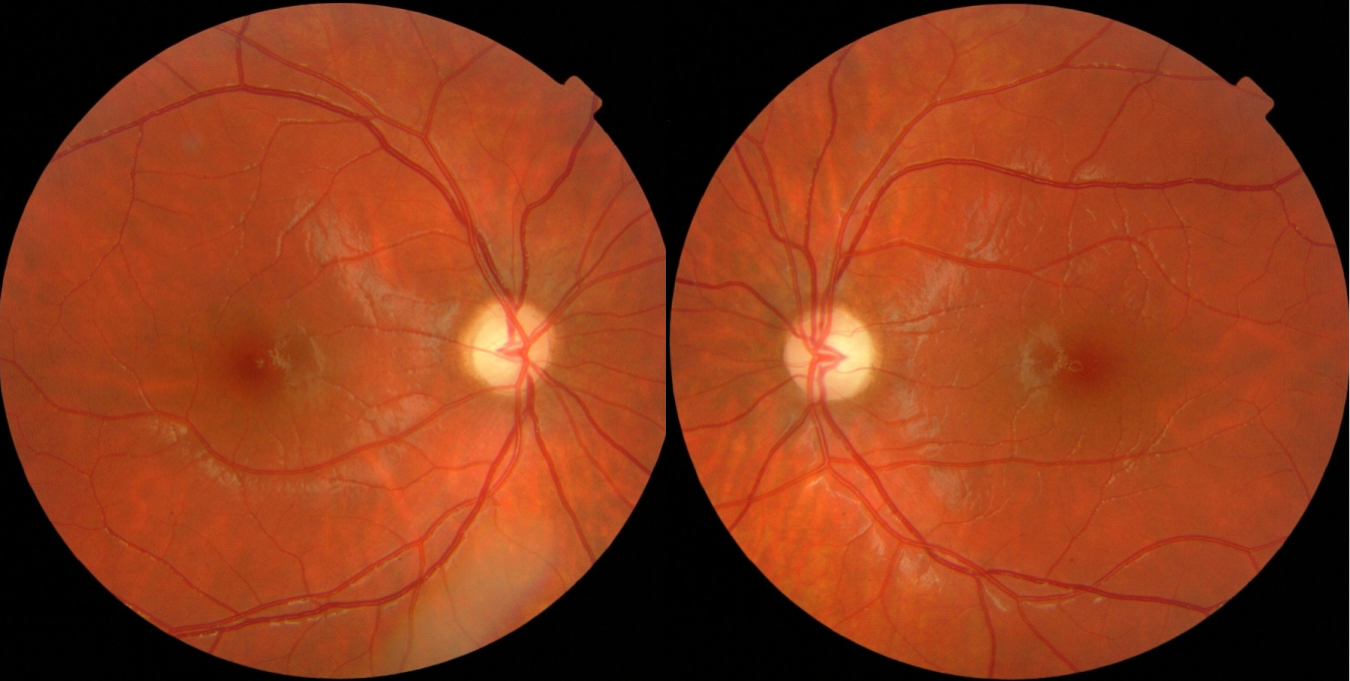
17 Jul Cone Dystrophy: Causes, Symptoms, Diagnosis, and Treatment
Cone Dystrophy is a rare inherited retinal disorder that primarily affects the cone photoreceptor cells in the retina. These cells are responsible for central vision, color perception, and seeing fine details in bright light. When cone cells gradually deteriorate, individuals experience reduced visual sharpness, color vision defects, and increased sensitivity to light. Although Cone Dystrophy is a progressive condition, early diagnosis and appropriate management can help patients maintain independence and improve their quality of life.
Advances in retinal imaging, genetic testing, and emerging therapies have improved the understanding of Cone Dystrophy, offering hope for better treatment options in the future.
What is Cone Dystrophy?
Cone Dystrophy is an inherited retinal disease in which the cone cells of the retina progressively lose their function. Unlike rod cells, which help with night vision, cone cells are responsible for clear daytime vision and the ability to distinguish colors.
The condition may develop during childhood or early adulthood, although symptoms can appear at any age. In some patients, the disease affects only the cone cells, while in others it progresses to involve both cones and rods, leading to Cone-Rod Dystrophy.
Causes of Cone Dystrophy
Cone Dystrophy is mainly caused by genetic mutations that interfere with the normal function and survival of retinal cone cells. Several genes have been associated with the condition, and it may be inherited through different genetic patterns, including:
- Autosomal dominant inheritance
- Autosomal recessive inheritance
- X-linked inheritance
- Sporadic genetic mutations
Since the disease is hereditary, genetic counseling is often recommended for affected individuals and their families.
Symptoms of Cone Dystrophy
Symptoms usually develop gradually and may worsen over time. Common signs include:
- Blurred central vision
- Difficulty reading small print
- Poor color vision
- Sensitivity to bright light (photophobia)
- Reduced visual sharpness
- Difficulty recognizing faces
- Glare while driving during the day
- Slow progression of vision loss
Unlike Retinitis Pigmentosa, night vision is often normal during the early stages because rod cells are initially unaffected.
Diagnosis of Cone Dystrophy
A comprehensive eye examination is essential for confirming the diagnosis. Your retina specialist may recommend several advanced tests, including:
- Comprehensive eye examination
- Dilated retinal examination
- Optical Coherence Tomography (OCT)
- Fundus photography
- Color vision testing
- Visual field examination
- Electroretinography (ERG)
- Fundus autofluorescence imaging
- Genetic testing
These investigations help determine the severity of retinal damage and identify the specific genetic mutation responsible for the disease.
Treatment Options
Currently, there is no permanent cure for Cone Dystrophy. However, several treatments and supportive measures can help improve visual function and quality of life.
Treatment options may include:
- Regular follow-up with a retina specialist
- Prescription glasses or tinted lenses
- Low vision rehabilitation
- Magnifying devices and assistive technologies
- UV-protective sunglasses
- Genetic counseling
- Occupational vision therapy
- Participation in clinical trials
- Emerging therapies such as gene therapy and stem cell-based regenerative treatments for selected patients
Research into retinal gene replacement and regenerative medicine continues to provide hope for future treatment advancements.
Living with Cone Dystrophy
Living with Cone Dystrophy requires ongoing eye care and lifestyle adjustments. Many patients benefit from adaptive devices, enhanced lighting, electronic magnifiers, and low vision support services. Wearing sunglasses outdoors can reduce glare and improve comfort for individuals with light sensitivity.
Regular eye examinations allow specialists to monitor disease progression and recommend the most appropriate management strategies as vision changes over time.
Conclusion
Cone Dystrophy is a progressive inherited retinal disorder that affects central vision, color perception, and visual clarity. Although there is currently no definitive cure, early diagnosis, genetic evaluation, low vision rehabilitation, and emerging research offer valuable support for individuals living with the condition. If you notice persistent blurred vision, color vision problems, or sensitivity to bright light, consult a retina specialist for a comprehensive evaluation and personalized treatment plan.
Frequently Asked Questions (FAQs)
- What is Cone Dystrophy?
Cone Dystrophy is a rare inherited retinal disease that damages the cone photoreceptor cells responsible for central vision, color vision, and detailed daytime vision.
- What are the early symptoms of Cone Dystrophy?
Early symptoms include blurred central vision, poor color vision, light sensitivity, difficulty reading, and reduced visual sharpness.
- Is Cone Dystrophy hereditary?
Yes. Most cases are caused by inherited genetic mutations, although spontaneous genetic mutations may also occur.
- How is Cone Dystrophy diagnosed?
Diagnosis involves a comprehensive eye examination, OCT, ERG, color vision testing, retinal imaging, visual field testing, and genetic testing.
- Can Cone Dystrophy be cured?
Currently, there is no permanent cure, but supportive treatments, low vision aids, and emerging gene therapies may help manage the condition.
- Does Cone Dystrophy cause blindness?
Cone Dystrophy can significantly reduce central vision, but the severity varies among individuals. Many patients retain some useful vision for years.
- What treatments are available?
Treatment focuses on low vision rehabilitation, protective eyewear, assistive devices, regular monitoring, and participation in clinical trials where appropriate.
- When should I consult an eye specialist?
You should seek medical evaluation if you experience persistent blurred central vision, difficulty distinguishing colors, or increased sensitivity to bright light.

Sorry, the comment form is closed at this time.